
/** * List block tracker for UUID-aware list editing and serialization. * * Dependencies: wp.blocks, SFE.ElementPrep * Exposes: SFE.ListBlockTracker */ (function() { 'use strict'; window.MWP = window.MWP || {}; window.MWP.SFE = window.MWP.SFE || {}; const SFE = window.MWP.SFE; SFE.ManagerData = SFE.ManagerData || {}; const { createBlock, serialize: serializeBlocks } = window.wp?.blocks || {}; const UUID_ATTR_KEYS = ['mwpSfeUuid', 'mwpSfeUuidShadow']; const LIST_ITEM_TEXT_ATTR = 'data-mwp-sfe-list-item-text'; const LIST_ITEM_TEXT_CLASS = 'mwp-sfe-list-item-text'; const PLACEHOLDER_ATTR = 'data-rich-text-placeholder'; const LIST_ID_ATTR = 'data-list-id'; const LIST_ITEM_ID_ATTR = 'data-item-id'; const LIST_RUNTIME_UUID_ATTR = 'data-mwp-sfe-list-runtime-uuid'; const LIST_ITEM_RUNTIME_UUID_ATTR = 'data-mwp-sfe-list-item-runtime-uuid'; /** * Return whether one node is a nested list element. * * @param {Node|null} node Candidate DOM node. * @returns {boolean} True when the node is a nested list. */ function isNestedListNode(node) { return !!( node && node.nodeType === Node.ELEMENT_NODE && (node.tagName === 'UL' || node.tagName === 'OL') ); } /** * Return whether one node is ignorable formatting whitespace between list * structures. * * Pretty-printed block markup often leaves direct `\n` text nodes between a * list item's own text and its nested child list. Those nodes should not be * moved into the direct text surface because they become visible editing * artifacts once wrapped. * * @param {Node|null} node Candidate DOM node. * @returns {boolean} True when the node is ignorable whitespace. */ function isIgnorableListWhitespaceNode(node) { return !!( node && node.nodeType === Node.TEXT_NODE && String(node.textContent || '') .replace(/\uFEFF/g, '') .replace(/\u00A0/g, ' ') .trim() .length === 0 ); } /** * Return the direct inline text surface for one list item. * * @param {HTMLLIElement|null} liElement Candidate list item. * @returns {HTMLElement|null} Existing direct text surface, if any. */ function getDirectItemTextSurface(liElement) { if (!liElement || liElement.nodeType !== Node.ELEMENT_NODE || liElement.tagName !== 'LI') { return null; } return Array.from(liElement.children || []).find(child => ( child && child.nodeType === Node.ELEMENT_NODE && child.getAttribute(LIST_ITEM_TEXT_ATTR) === '1' )) || null; } /** * Return the DOM attribute name that stores one session-scoped runtime UUID. * * Runtime UUIDs are distinct from the existing serialization/attr UUIDs. They * exist only while the editor session is open so external callers can point at * the current live list cursor/target without having to manage shifting paths. * * @param {string} type Supported runtime identity type. * @returns {string} Attribute name, or an empty string for invalid types. */ function getRuntimeUuidAttributeName(type) { if (type === 'list') { return LIST_RUNTIME_UUID_ATTR; } if (type === 'item') { return LIST_ITEM_RUNTIME_UUID_ATTR; } return ''; } /** * Normalize one runtime UUID candidate. * * @param {*} value Candidate runtime UUID. * @returns {string} Trimmed runtime UUID, or an empty string. */ function normalizeRuntimeUuid(value) { return String(value || '').trim(); } /** * Return whether one element matches the requested runtime-identity type. * * @param {Element|null} element Candidate DOM element. * @param {string} type Supported runtime identity type. * @returns {boolean} True when the element matches the type. */ function isRuntimeIdentityElement(element, type) { if (!element || element.nodeType !== Node.ELEMENT_NODE) { return false; } if (type === 'list') { return element.tagName === 'UL' || element.tagName === 'OL'; } if (type === 'item') { return element.tagName === 'LI'; } return false; } /** * Return one tracked element by runtime UUID from the live DOM. * * This intentionally queries the current DOM first instead of trusting only a * cached map so history restores and other structural replacements can keep * runtime UUID resolution stable as long as the attributes remain present. * * @param {Object|null} tracker Active list tracker. * @param {string} runtimeUuid Session-scoped runtime UUID. * @param {string} type Supported runtime identity type. * @returns {Element|null} Matching live DOM element. */ function findElementByRuntimeUuid(tracker, runtimeUuid, type) { const normalizedRuntimeUuid = normalizeRuntimeUuid(runtimeUuid); const attrName = getRuntimeUuidAttributeName(type); if ( !tracker?.listElement || !normalizedRuntimeUuid || !attrName || !isRuntimeIdentityElement(tracker.listElement, 'list') ) { return null; } if ( type === 'list' && tracker.listElement.getAttribute(attrName) === normalizedRuntimeUuid ) { return tracker.listElement; } try { const selector = `[${attrName}="${CSS.escape(normalizedRuntimeUuid)}"]`; return tracker.listElement.querySelector(selector); } catch (error) { const escapedUuid = normalizedRuntimeUuid.replace(/"/g, '\\"'); return tracker.listElement.querySelector(`[${attrName}="${escapedUuid}"]`); } } /** * Return every direct text surface currently attached to one list item. * * Merge/delete flows can temporarily move multiple direct text surfaces into * the same list item. The shared list normalizer must collapse them back to * one canonical surface before placeholder syncing or serialization. * * @param {HTMLLIElement|null} liElement Candidate list item. * @returns {HTMLElement[]} Direct text surfaces in DOM order. */ function getAllDirectItemTextSurfaces(liElement) { if (!liElement || liElement.nodeType !== Node.ELEMENT_NODE || liElement.tagName !== 'LI') { return []; } return Array.from(liElement.children || []).filter(child => ( child && child.nodeType === Node.ELEMENT_NODE && child.getAttribute(LIST_ITEM_TEXT_ATTR) === '1' )); } /** * Return whether one node is only placeholder/caret scaffolding. * * Duplicate direct text surfaces may carry empty placeholder anchors or * caret `
` nodes. Those artifacts should be dropped when collapsing * duplicate surfaces instead of being concatenated into visible stacks. * * @param {Node|null} node Candidate DOM node. * @returns {boolean} True when the node is redundant placeholder UI. */ function isRedundantSurfaceArtifact(node) { if (!node) { return true; } if (isIgnorableListWhitespaceNode(node)) { return true; } if (node.nodeType === Node.TEXT_NODE) { return String(node.textContent || '') .replace(/\uFEFF/g, '') .replace(/\u00A0/g, ' ') .trim() .length === 0; } if (node.nodeType !== Node.ELEMENT_NODE) { return false; } if (node.tagName === 'BR') { return true; } return !!node.hasAttribute?.(PLACEHOLDER_ATTR); } /** * Ensure one list item owns one direct inline text surface. * * The root list remains the single live editor host, but this wrapper gives * schema/ABE flows one stable DOM surface per list item's own text content. * * @param {HTMLLIElement|null} liElement Candidate list item. * @returns {HTMLElement|null} Ensured direct text surface. */ function ensureDirectItemTextSurface(liElement) { if (!liElement || liElement.nodeType !== Node.ELEMENT_NODE || liElement.tagName !== 'LI') { return null; } let surface = getDirectItemTextSurface(liElement); if (!surface) { surface = document.createElement('span'); surface.setAttribute(LIST_ITEM_TEXT_ATTR, '1'); surface.classList.add(LIST_ITEM_TEXT_CLASS); liElement.insertBefore( surface, Array.from(liElement.childNodes || []).find(isNestedListNode) || null ); } getAllDirectItemTextSurfaces(liElement) .filter(candidate => candidate && candidate !== surface) .forEach(duplicateSurface => { Array.from(duplicateSurface.childNodes || []).forEach(node => { if (isRedundantSurfaceArtifact(node)) { node.remove(); return; } surface.appendChild(node); }); duplicateSurface.remove(); }); const childNodes = Array.from(liElement.childNodes || []); childNodes.forEach(node => { if ( node && node !== surface && !isNestedListNode(node) && isIgnorableListWhitespaceNode(node) ) { node.remove(); } }); const movableNodes = childNodes.filter(node => { if (!node || node === surface || isNestedListNode(node)) { return false; } if (isIgnorableListWhitespaceNode(node)) { return false; } return !( node.nodeType === Node.ELEMENT_NODE && node.getAttribute?.(LIST_ITEM_TEXT_ATTR) === '1' ); }); movableNodes.forEach(node => surface.appendChild(node)); return surface; } /** * Clone list attrs while optionally stripping plugin UUID ownership. * * The outermost core/list is the only persisted UUID owner for an entire * list tree. Nested core/list blocks are structural children of that root. * If we preserve a nested list UUID here, one accidental assignment can be * re-serialized forever and split a single logical list into multiple * history/edit targets. Keep this guard unless the ownership model changes * everywhere else in PHP and JS at the same time. * * @param {Object} attrs Parsed Gutenberg attrs. * @param {boolean} allowUuidOwnership True for the root list only. * @returns {Object} Safe cloned attrs. */ function cloneListAttrs(attrs, allowUuidOwnership = true) { const clonedAttrs = JSON.parse(JSON.stringify(attrs || {})); if (allowUuidOwnership) { return clonedAttrs; } UUID_ATTR_KEYS.forEach(key => delete clonedAttrs[key]); return clonedAttrs; } /** * Return the direct list-item children for one list element. * * @param {HTMLElement|null} listElement Candidate list element. * @returns {HTMLLIElement[]} Direct child list items. */ function getDirectListItems(listElement) { if (!listElement || listElement.nodeType !== Node.ELEMENT_NODE) { return []; } return Array.from(listElement.children || []).filter(child => child.tagName === 'LI'); } /** * Normalize one path-like value into zero-based list indexes. * * Supported inputs: * - `0_1_2` * - `1.2.3` * - arrays of integers * * @param {string|Array|null} pathValue Candidate path value. * @returns {number[]|null} Parsed zero-based indexes. */ function normalizePathIndexes(pathValue) { if (Array.isArray(pathValue)) { const indexes = pathValue.map(value => Number.parseInt(value, 10)); return indexes.every(Number.isInteger) && indexes.every(index => index >= 0) ? indexes : null; } const raw = typeof pathValue === 'string' ? pathValue.trim() : ''; if (!raw) { return []; } const separator = raw.includes('.') ? '.' : '_'; const parts = raw.split(separator).filter(Boolean); if (!parts.length) { return []; } const indexes = parts.map(part => Number.parseInt(part, 10)); if (!indexes.every(Number.isInteger)) { return null; } if (separator === '.') { return indexes.every(index => index > 0) ? indexes.map(index => index - 1) : null; } return indexes.every(index => index >= 0) ? indexes : null; } /** * Convert one zero-based path index list into public path metadata. * * @param {number[]} indexes Zero-based indexes. * @returns {{path: string, pathLabel: string, depth: number}} Path metadata. */ function buildPathMeta(indexes) { const safeIndexes = Array.isArray(indexes) ? indexes.filter(Number.isInteger) : []; return { path: safeIndexes.join('_'), pathLabel: safeIndexes.map(index => index + 1).join('.'), depth: Math.max(0, safeIndexes.length - 1), }; } /** * Return the direct child list element for one list item. * * @param {HTMLLIElement|null} listItem Candidate list item. * @returns {HTMLElement|null} Direct nested list, if present. */ function getDirectChildList(listItem) { if (!listItem || listItem.nodeType !== Node.ELEMENT_NODE || listItem.tagName !== 'LI') { return null; } return Array.from(listItem.children || []).find(child => ( child.tagName === 'UL' || child.tagName === 'OL' )) || null; } /** * Return the preferred nested list tag for one list item. * * @param {Object|null} tracker Active list tracker. * @param {HTMLLIElement} listItem Parent list item. * @returns {string} `UL` or `OL`. */ function getPreferredChildListTagName(tracker, listItem) { const directChildList = getDirectChildList(listItem); if (directChildList) { return directChildList.tagName; } const parentList = listItem?.parentElement; if (parentList && (parentList.tagName === 'UL' || parentList.tagName === 'OL')) { return parentList.tagName; } return tracker?.listElement?.tagName === 'OL' ? 'OL' : 'UL'; } /** * Return one direct child list for a list item, creating it only when needed. * * Outdent can promote one item and then re-home its trailing siblings beneath * that promoted item. When the promoted item already owns a child list, those * siblings must be appended into the existing list so the DOM mirrors native * editor behavior instead of creating duplicate sibling list wrappers. * * @param {Object|null} tracker Active list tracker. * @param {HTMLLIElement} listItem Parent list item. * @param {string} preferredTagName Fallback list tag name. * @returns {HTMLElement|null} Direct child list element. */ function ensureDirectChildList(tracker, listItem, preferredTagName = '') { if (!listItem || listItem.nodeType !== Node.ELEMENT_NODE || listItem.tagName !== 'LI') { return null; } let childList = getDirectChildList(listItem); if (childList) { return childList; } childList = document.createElement( preferredTagName || getPreferredChildListTagName(tracker, listItem) ); childList.classList.add('wp-block-list'); listItem.appendChild(childList); return childList; } /** * Remove empty nested list wrappers up the ancestry chain. * * The root list element is never removed, even when it becomes empty. * * @param {Object|null} tracker Active list tracker. * @param {HTMLElement|null} startList First candidate nested list. * @returns {void} */ function cleanupEmptyAncestorLists(tracker, startList) { let currentList = startList; while ( currentList && currentList !== tracker?.listElement && currentList.nodeType === Node.ELEMENT_NODE && (currentList.tagName === 'UL' || currentList.tagName === 'OL') && !getDirectListItems(currentList).length ) { const parentItem = currentList.parentElement?.tagName === 'LI' ? currentList.parentElement : null; currentList.remove(); currentList = parentItem ? parentItem.parentElement : null; } } /** * Build one new list item element from a structural operation payload. * * @param {Object|null} operation Candidate operation payload. * @returns {HTMLLIElement} New list item element. */ function buildListItemFromOperation(operation) { const li = document.createElement('li'); const directSurface = ensureDirectItemTextSurface(li); const runtimeUuid = normalizeRuntimeUuid( operation?.itemUuid ?? operation?.newItemUuid ); const html = typeof operation?.contentHtml === 'string' ? operation.contentHtml : (typeof operation?.html === 'string' ? operation.html : ''); const text = typeof operation?.contentText === 'string' ? operation.contentText : (typeof operation?.text === 'string' ? operation.text : ''); if (html) { directSurface.innerHTML = html; } else if (text) { directSurface.textContent = text; } if (runtimeUuid) { li.setAttribute(LIST_ITEM_RUNTIME_UUID_ATTR, runtimeUuid); } return li; } /** * Copy one donor item's structural/style attributes onto the destination list * item while preserving the destination runtime UUID. * * Native Enter list splitting happens inside the browser's contenteditable * engine, so the new sibling inherits the source `li` element's attributes * such as class and style automatically. API-driven insert/move operations * should mirror that behavior by cloning the donor item's `li` attributes, * except for the session-scoped runtime UUID which must stay unique. * * @param {HTMLLIElement|null} listItem Destination list item. * @param {HTMLLIElement|null} donorItem Style/structure donor item. * @returns {void} */ function copyDonorItemAttributes(listItem, donorItem) { if ( !listItem || listItem.nodeType !== Node.ELEMENT_NODE || listItem.tagName !== 'LI' || !donorItem || donorItem.nodeType !== Node.ELEMENT_NODE || donorItem.tagName !== 'LI' ) { return; } const destinationRuntimeUuid = normalizeRuntimeUuid( listItem.getAttribute(LIST_ITEM_RUNTIME_UUID_ATTR) ); Array.from(listItem.attributes || []).forEach(attr => { if (attr?.name === LIST_ITEM_RUNTIME_UUID_ATTR) { return; } listItem.removeAttribute(attr.name); }); Array.from(donorItem.attributes || []).forEach(attr => { if (attr?.name === LIST_ITEM_RUNTIME_UUID_ATTR) { return; } listItem.setAttribute(attr.name, attr.value); }); if (destinationRuntimeUuid) { listItem.setAttribute(LIST_ITEM_RUNTIME_UUID_ATTR, destinationRuntimeUuid); } } /** * Reassign one list item's structural ID from its destination styling * context. * * When an explicit target item is known, its structural `data-item-id` * becomes the style donor for insert-before, insert-after, move-before, and * move-after commands. This keeps the inheritance rule simple and matches the * public API's explicit `targetItemUuid` model. * * For internal list-path insert/move cases that do not resolve through one * target item, fall back to the local destination neighbors. If there is no * neighboring item at all, clear the structural ID so the next tracker rebuild * seeds a fresh item identity instead of accidentally preserving source attrs. * * @param {HTMLLIElement|null} listItem Destination list item. * @param {HTMLLIElement|null} targetItem Explicit style donor item. * @returns {string} Applied structural ID or an empty string. */ function inheritDestinationItemId(listItem, targetItem = null) { if (!listItem || listItem.nodeType !== Node.ELEMENT_NODE || listItem.tagName !== 'LI') { return ''; } const explicitTargetItem = targetItem && targetItem.nodeType === Node.ELEMENT_NODE && targetItem.tagName === 'LI' ? targetItem : null; const previousItem = listItem.previousElementSibling?.tagName === 'LI' ? listItem.previousElementSibling : null; const nextItem = listItem.nextElementSibling?.tagName === 'LI' ? listItem.nextElementSibling : null; const inheritedId = normalizeRuntimeUuid( explicitTargetItem?.getAttribute(LIST_ITEM_ID_ATTR) || previousItem?.getAttribute(LIST_ITEM_ID_ATTR) || nextItem?.getAttribute(LIST_ITEM_ID_ATTR) ); if (inheritedId) { listItem.setAttribute(LIST_ITEM_ID_ATTR, inheritedId); return inheritedId; } listItem.removeAttribute(LIST_ITEM_ID_ATTR); return ''; } /** * Apply one remove-list-item operation. * * @param {Object|null} tracker Active list tracker. * @param {HTMLLIElement} listItem Target list item. * @returns {boolean} True when the mutation applied. */ function applyRemoveListItemOperation(tracker, listItem) { if (!tracker?.listElement || !listItem) { return false; } const oldParentList = listItem.parentElement; listItem.remove(); cleanupEmptyAncestorLists(tracker, oldParentList); return true; } /** * Apply one indent-list-item operation. * * @param {Object|null} tracker Active list tracker. * @param {HTMLLIElement} listItem Target list item. * @returns {boolean} True when the mutation applied. */ function applyIndentListItemOperation(tracker, listItem) { if (!tracker?.listElement || !listItem) { return false; } const previousItem = listItem.previousElementSibling?.tagName === 'LI' ? listItem.previousElementSibling : null; if (!previousItem) { return false; } const nestedList = ensureDirectChildList(tracker, previousItem); nestedList.appendChild(listItem); return true; } /** * Apply one outdent-list-item operation. * * @param {Object|null} tracker Active list tracker. * @param {HTMLLIElement} listItem Target list item. * @returns {boolean} True when the mutation applied. */ function applyOutdentListItemOperation(tracker, listItem) { if (!tracker?.listElement || !listItem) { return false; } const parentList = listItem.parentElement; const parentItem = parentList?.parentElement?.tagName === 'LI' ? parentList.parentElement : null; if (!parentList || !parentItem) { return false; } const ancestorList = parentItem.parentElement; const followingSiblings = []; let next = listItem.nextElementSibling; while (next) { followingSiblings.push(next); next = next.nextElementSibling; } ancestorList.insertBefore(listItem, parentItem.nextElementSibling); if (followingSiblings.length) { const nestedList = ensureDirectChildList(tracker, listItem, parentList.tagName); followingSiblings.forEach(sibling => nestedList.appendChild(sibling)); } cleanupEmptyAncestorLists(tracker, parentList); return true; } /** * Apply one toggle-list-type operation. * * @param {Object|null} tracker Active list tracker. * @param {Object} rawOperation Structural operation payload. * @param {Object} options Apply-operation options. * @returns {boolean} True when the mutation applied. */ function applyToggleListTypeOperation(tracker, rawOperation, options = {}) { if (!tracker?.listElement) { return false; } const listPath = rawOperation.listPath ?? rawOperation.list_path ?? ''; const targetList = getListByPath(tracker, listPath); const editorHost = options?.editorHost && typeof options.editorHost.changeListType === 'function' ? options.editorHost : null; const requestedType = targetList ? ( normalizeListTypeTagName( rawOperation.value ?? rawOperation.listType ?? rawOperation.list_type ?? rawOperation.ordered ) || (targetList.tagName === 'OL' ? 'UL' : 'OL') ) : ''; if ( !targetList || !requestedType || targetList.tagName === requestedType || !editorHost ) { return false; } const nextList = editorHost.changeListType(targetList, requestedType.toLowerCase(), { saveHistory: options.saveHistory !== false, restoreCursor: options.restoreCursor !== false, }); return !!nextList; } /** * Apply one update-list-item-text operation. * * @param {HTMLLIElement} listItem Target list item. * @param {Object} rawOperation Structural operation payload. * @returns {boolean} True when the mutation applied. */ function applyUpdateListItemTextOperation(listItem, rawOperation) { if (!listItem) { return false; } const directSurface = ensureDirectItemTextSurface(listItem); const html = typeof rawOperation?.contentHtml === 'string' ? rawOperation.contentHtml : (typeof rawOperation?.html === 'string' ? rawOperation.html : ''); const text = typeof rawOperation?.contentText === 'string' ? rawOperation.contentText : (typeof rawOperation?.text === 'string' ? rawOperation.text : ''); if (!directSurface) { return false; } directSurface.innerHTML = ''; if (html) { directSurface.innerHTML = html; } else if (text) { directSurface.textContent = text; } return true; } /** * Insert one new list item relative to explicit before/after/list anchors. * * @param {Object|null} tracker Active list tracker. * @param {Object} rawOperation Structural operation payload. * @param {Object} trackerApi List tracker API surface. * @returns {boolean} True when the mutation applied. */ function applyInsertListItemOperation(tracker, rawOperation, trackerApi) { if (!tracker?.listElement || !trackerApi) { return false; } const beforePath = rawOperation.beforePath ?? rawOperation.before_path ?? ''; const afterPath = rawOperation.afterPath ?? rawOperation.after_path ?? ''; const listPath = rawOperation.listPath ?? rawOperation.list_path ?? ''; const beforeItem = trackerApi.getItemByPath(tracker, beforePath); const afterItem = trackerApi.getItemByPath(tracker, afterPath); const newListItem = buildListItemFromOperation(rawOperation); if (beforeItem?.parentElement) { beforeItem.parentElement.insertBefore(newListItem, beforeItem); copyDonorItemAttributes(newListItem, beforeItem); inheritDestinationItemId(newListItem, beforeItem); return true; } if (afterItem?.parentElement) { afterItem.parentElement.insertBefore(newListItem, afterItem.nextElementSibling); copyDonorItemAttributes(newListItem, afterItem); inheritDestinationItemId(newListItem, afterItem); return true; } const targetList = getListByPath(tracker, listPath); if (!targetList) { return false; } const position = typeof rawOperation.position === 'string' ? rawOperation.position.trim().toLowerCase() : 'append'; if (position === 'prepend' && targetList.firstElementChild) { targetList.insertBefore(newListItem, targetList.firstElementChild); } else { targetList.appendChild(newListItem); } inheritDestinationItemId(newListItem); return true; } /** * Move one existing list item relative to explicit before/after/list anchors. * * @param {Object|null} tracker Active list tracker. * @param {HTMLLIElement} listItem Target list item. * @param {Object} rawOperation Structural operation payload. * @param {Object} trackerApi List tracker API surface. * @returns {boolean} True when the mutation applied. */ function applyMoveListItemOperation(tracker, listItem, rawOperation, trackerApi) { if (!tracker?.listElement || !listItem || !trackerApi) { return false; } const beforePath = rawOperation.beforePath ?? rawOperation.before_path ?? ''; const afterPath = rawOperation.afterPath ?? rawOperation.after_path ?? ''; const listPath = rawOperation.listPath ?? rawOperation.list_path ?? ''; const beforeItem = trackerApi.getItemByPath(tracker, beforePath); const afterItem = trackerApi.getItemByPath(tracker, afterPath); const oldParentList = listItem.parentElement; let didApply = false; if (beforeItem && beforeItem !== listItem && !listItem.contains(beforeItem)) { beforeItem.parentElement.insertBefore(listItem, beforeItem); copyDonorItemAttributes(listItem, beforeItem); inheritDestinationItemId(listItem, beforeItem); didApply = true; } else if (afterItem && afterItem !== listItem && !listItem.contains(afterItem)) { afterItem.parentElement.insertBefore(listItem, afterItem.nextElementSibling); copyDonorItemAttributes(listItem, afterItem); inheritDestinationItemId(listItem, afterItem); didApply = true; } else if (typeof listPath === 'string') { const targetList = getListByPath(tracker, listPath); const ownerItem = targetList?.parentElement?.tagName === 'LI' ? targetList.parentElement : null; if (targetList && ownerItem !== listItem && !listItem.contains(ownerItem || null)) { const position = typeof rawOperation.position === 'string' ? rawOperation.position.trim().toLowerCase() : 'append'; if (position === 'prepend' && targetList.firstElementChild) { targetList.insertBefore(listItem, targetList.firstElementChild); } else { targetList.appendChild(listItem); } inheritDestinationItemId(listItem); didApply = true; } } if (didApply) { cleanupEmptyAncestorLists(tracker, oldParentList); } return didApply; } /** * Resolve one tracked list element from a list-path payload. * * The root list lives at the empty path. Nested lists are addressed by the * tree path of the parent item that owns that child list. * * @param {Object|null} tracker Active list tracker. * @param {string|Array} pathValue Root-empty list path or parent-item path. * @returns {HTMLElement|null} Matching list element. */ function getListByPath(tracker, pathValue) { if (!tracker?.listElement) { return null; } if ( pathValue === '' || pathValue === null || typeof pathValue === 'undefined' || (Array.isArray(pathValue) && !pathValue.length) || (typeof pathValue === 'string' && !pathValue.trim()) ) { return tracker.listElement; } const parentItem = ListBlockTracker.getItemByPath(tracker, pathValue); return parentItem ? getDirectChildList(parentItem) : null; } /** * Normalize one requested list-type value to a DOM tag name. * * @param {*} value Candidate list-type value. * @returns {string} `OL`, `UL`, or an empty string. */ function normalizeListTypeTagName(value) { if (value === true) { return 'OL'; } if (value === false) { return 'UL'; } const normalized = String(value || '').trim().toLowerCase(); if (normalized === 'ordered' || normalized === 'ol' || normalized === 'true') { return 'OL'; } if (normalized === 'unordered' || normalized === 'ul' || normalized === 'false') { return 'UL'; } return ''; } const ListBlockTracker = { active: null, /** * Initialize tracker for a list element * @param {HTMLElement} listElement - The UL or OL element * @param {Object} originalBlock - The complete WordPress block structure */ init(listElement, originalBlock = {}) { if (!createBlock || !serializeBlocks) { console.error('wp.blocks not available'); } const tracker = { listElement, originalBlock: JSON.parse(JSON.stringify(originalBlock)), uuidMap: new Map(), // uuid -> {type, attrs, element} domMap: new WeakMap(), // element -> uuid runtimeUuidMap: new Map(), // runtimeUuid -> {type, element} runtimeDomMap: new WeakMap() // element -> runtimeUuid }; // Attach tracker to element to avoid singleton issues listElement._mwpListTracker = tracker; // Build UUID tracking from DOM and original block structure this.buildFromDOM(tracker, listElement, originalBlock); this.active = tracker; return tracker; }, /** * Build UUID mappings from DOM and original block structure * Assigns UUIDs to all lists and list items, mapping to their original attrs */ buildFromDOM(tracker, listElement, originalBlock) { const previousEntries = tracker.uuidMap instanceof Map ? new Map(tracker.uuidMap) : new Map(); const previousRuntimeEntries = tracker.runtimeUuidMap instanceof Map ? new Map(tracker.runtimeUuidMap) : new Map(); tracker.uuidMap.clear(); tracker.domMap = new WeakMap(); tracker.runtimeUuidMap.clear(); tracker.runtimeDomMap = new WeakMap(); tracker.listElement = listElement; this.syncEditableTextSurfaces(listElement); this.registerRuntimeIdentity( tracker, listElement, 'list', previousRuntimeEntries ); // Assign UUID to root list and map to original attrs const rootUuid = this.getOrCreateUuid(listElement, 'list'); const previousRootEntry = previousEntries.get(rootUuid); tracker.uuidMap.set(rootUuid, { type: 'list', attrs: previousRootEntry?.attrs ? cloneListAttrs(previousRootEntry.attrs, true) : cloneListAttrs(originalBlock.attrs || {}, true), element: listElement }); tracker.domMap.set(listElement, rootUuid); // Recursively process list structure this.processListRecursive( tracker, listElement, originalBlock.innerBlocks || [], previousEntries, previousRuntimeEntries ); }, /** * Recursively process list items and nested lists, assigning UUIDs */ processListRecursive( tracker, listElement, originalItems, previousEntries = new Map(), previousRuntimeEntries = new Map() ) { const items = getDirectListItems(listElement); items.forEach((li, index) => { this.syncEditableTextSurfaces(li); const originalItem = originalItems[index] || {}; this.registerRuntimeIdentity( tracker, li, 'item', previousRuntimeEntries ); const itemUuid = this.getOrCreateUuid(li, 'item'); const previousItemEntry = previousEntries.get(itemUuid); // Map UUID to original item attrs tracker.uuidMap.set(itemUuid, { type: 'item', attrs: previousItemEntry?.attrs ? JSON.parse(JSON.stringify(previousItemEntry.attrs || {})) : JSON.parse(JSON.stringify(originalItem.attrs || {})), element: li }); tracker.domMap.set(li, itemUuid); // Handle nested lists const nestedList = getDirectChildList(li); if (nestedList) { const originalNested = originalItem.innerBlocks?.[0] || {}; this.registerRuntimeIdentity( tracker, nestedList, 'list', previousRuntimeEntries ); const nestedUuid = this.getOrCreateUuid(nestedList, 'list'); const previousNestedEntry = previousEntries.get(nestedUuid); // Map nested list attrs without plugin UUID ownership. // The tracker still needs a temporary DOM identity for list // editing, but persisting mwpSfeUuid* on nested lists would // fracture one logical list into multiple save/history roots. tracker.uuidMap.set(nestedUuid, { type: 'list', attrs: previousNestedEntry?.attrs ? cloneListAttrs(previousNestedEntry.attrs, false) : cloneListAttrs(originalNested.attrs || {}, false), element: nestedList }); tracker.domMap.set(nestedList, nestedUuid); // Recurse into nested list this.processListRecursive( tracker, nestedList, originalNested.innerBlocks || [], previousEntries, previousRuntimeEntries ); } }); }, /** * Register one list or list-item runtime identity on the tracker. * * @param {Object} tracker Active list tracker. * @param {Element} element Live list or list-item element. * @param {string} type Supported runtime identity type. * @param {Map} previousRuntimeEntries Previous runtime entry map. * @returns {string} Resolved runtime UUID. */ registerRuntimeIdentity( tracker, element, type, previousRuntimeEntries = new Map() ) { const runtimeUuid = this.getOrCreateRuntimeUuid( tracker, element, type, previousRuntimeEntries ); if (!runtimeUuid) { return ''; } tracker.runtimeUuidMap.set(runtimeUuid, { type, element, }); tracker.runtimeDomMap.set(element, runtimeUuid); return runtimeUuid; }, /** * Return whether one runtime UUID is already owned by a different element. * * Native contenteditable list splitting can clone DOM attributes from the * source item into the newly created sibling. When that happens, the new * runtime UUID must be reseeded so each live cursor target stays unique. * * @param {Object} tracker Active list tracker. * @param {string} runtimeUuid Candidate runtime UUID. * @param {Element|null} element Element requesting that UUID. * @returns {boolean} True when the UUID belongs elsewhere. */ isRuntimeUuidClaimedByDifferentElement(tracker, runtimeUuid, element) { const normalizedRuntimeUuid = normalizeRuntimeUuid(runtimeUuid); if (!tracker?.runtimeUuidMap || !normalizedRuntimeUuid) { return false; } const existingEntry = tracker.runtimeUuidMap.get(normalizedRuntimeUuid); return !!(existingEntry?.element && existingEntry.element !== element); }, /** * Get the inherited structural ID for an element or seed it from the * runtime UUID when it does not exist yet. * * Structural IDs may be intentionally copied by native list splitting so * related items can retain style inheritance. They are not treated as * unique runtime cursor identifiers. */ getOrCreateUuid(element, type) { const attrName = type === 'list' ? LIST_ID_ATTR : LIST_ITEM_ID_ATTR; let uuid = element.getAttribute(attrName); if (!uuid) { uuid = normalizeRuntimeUuid( element.getAttribute( type === 'list' ? LIST_RUNTIME_UUID_ATTR : LIST_ITEM_RUNTIME_UUID_ATTR ) ) || this.generateTempUuid(); element.setAttribute(attrName, uuid); } return uuid; }, /** * Return the existing runtime UUID for one element or create one. * * Caller-supplied runtime UUIDs win for newly created items/lists. When an * element already belongs to the previous tracker build, its existing * runtime UUID is preserved so API references remain stable across rebuilds. * * @param {Object} tracker Active list tracker. * @param {Element} element Live list or list-item element. * @param {string} type Supported runtime identity type. * @param {Map} previousRuntimeEntries Previous runtime entry map. * @returns {string} Session-scoped runtime UUID. */ getOrCreateRuntimeUuid( tracker, element, type, previousRuntimeEntries = new Map() ) { const attrName = getRuntimeUuidAttributeName(type); if (!attrName || !isRuntimeIdentityElement(element, type)) { return ''; } let runtimeUuid = normalizeRuntimeUuid(element.getAttribute(attrName)); if (!runtimeUuid) { for (const [candidateUuid, entry] of previousRuntimeEntries.entries()) { if (entry?.element === element && entry.type === type) { runtimeUuid = normalizeRuntimeUuid(candidateUuid); break; } } } if (this.isRuntimeUuidClaimedByDifferentElement(tracker, runtimeUuid, element)) { runtimeUuid = ''; } if (!runtimeUuid) { runtimeUuid = this.generateTempUuid(); } element.setAttribute(attrName, runtimeUuid); return runtimeUuid; }, /** * Generate a RFC4122 version 4 UUID */ generateTempUuid() { return 'xxxxxxxx-xxxx-4xxx-yxxx-xxxxxxxxxxxx'.replace(/[xy]/g, function(c) { const r = Math.random() * 16 | 0; const v = c === 'x' ? r : (r & 0x3 | 0x8); return v.toString(16); }); }, /** * Return the zero-based tree path for one list item inside the tracked list. * * @param {Object} tracker Active list tracker. * @param {HTMLLIElement} listItem Candidate list item. * @returns {number[]|null} Zero-based indexes, or null on failure. */ getPathIndexesForItem(tracker, listItem) { if ( !tracker?.listElement || !listItem || listItem.nodeType !== Node.ELEMENT_NODE || listItem.tagName !== 'LI' || !tracker.listElement.contains(listItem) ) { return null; } const indexes = []; let currentItem = listItem; while (currentItem && tracker.listElement.contains(currentItem)) { const parentList = currentItem.parentElement; if (!parentList || (parentList.tagName !== 'UL' && parentList.tagName !== 'OL')) { return null; } const siblingItems = getDirectListItems(parentList); const itemIndex = siblingItems.indexOf(currentItem); if (itemIndex < 0) { return null; } indexes.unshift(itemIndex); const nextItem = parentList.closest('li'); if (!nextItem || !tracker.listElement.contains(nextItem)) { break; } currentItem = nextItem; } return indexes.length ? indexes : null; }, /** * Return the direct list item currently living at one tree path. * * @param {Object} tracker Active list tracker. * @param {string|Array} pathValue Zero-based path value. * @returns {HTMLLIElement|null} Matching list item. */ getItemByPath(tracker, pathValue) { const indexes = normalizePathIndexes(pathValue); if (!tracker?.listElement || !Array.isArray(indexes) || !indexes.length) { return null; } let currentList = tracker.listElement; let currentItem = null; for (let index = 0; index < indexes.length; index++) { const itemIndex = indexes[index]; const siblingItems = getDirectListItems(currentList); currentItem = siblingItems[itemIndex] || null; if (!currentItem) { return null; } if (index === indexes.length - 1) { return currentItem; } currentList = getDirectChildList(currentItem); if (!currentList) { return null; } } return currentItem; }, /** * Resolve one list element back to its public list path. * * The root list is addressed as an empty string. Nested child lists are * addressed by the path of the parent list item that owns them. * * @param {Object|null} tracker Active list tracker. * @param {HTMLElement|null} listElement Candidate list element. * @returns {string} Root-relative list path. */ getPathForList(tracker, listElement) { if (!tracker) tracker = this.active; if (!tracker?.listElement || !listElement || listElement.nodeType !== Node.ELEMENT_NODE) { return ''; } if (listElement === tracker.listElement) { return ''; } const parentItem = ( listElement.parentElement && listElement.parentElement.tagName === 'LI' ) ? listElement.parentElement : null; if (!parentItem) { return ''; } const indexes = this.getPathIndexesForItem(tracker, parentItem); return Array.isArray(indexes) ? indexes.join('_') : ''; }, /** * Return one tracked list item by runtime UUID. * * @param {Object|null} tracker Active list tracker. * @param {string} runtimeUuid Session-scoped item UUID. * @returns {HTMLLIElement|null} Matching list item. */ getItemByRuntimeUuid(tracker, runtimeUuid) { if (!tracker) tracker = this.active; const element = findElementByRuntimeUuid(tracker, runtimeUuid, 'item'); return element && element.tagName === 'LI' ? element : null; }, /** * Return one tracked list by runtime UUID. * * @param {Object|null} tracker Active list tracker. * @param {string} runtimeUuid Session-scoped list UUID. * @returns {HTMLElement|null} Matching list element. */ getListByRuntimeUuid(tracker, runtimeUuid) { if (!tracker) tracker = this.active; const element = findElementByRuntimeUuid(tracker, runtimeUuid, 'list'); return isListElementForRuntimeLookup(element) ? element : null; }, /** * Return the runtime UUID for one tracked list item. * * @param {Object|null} tracker Active list tracker. * @param {HTMLLIElement} listItem Live list item. * @returns {string} Session-scoped item UUID. */ getRuntimeUuidForItem(tracker, listItem) { if (!tracker) tracker = this.active; if (!tracker?.listElement || !listItem || listItem.tagName !== 'LI') { return ''; } return normalizeRuntimeUuid( listItem.getAttribute(LIST_ITEM_RUNTIME_UUID_ATTR) || tracker.runtimeDomMap?.get(listItem) ); }, /** * Return the runtime UUID for one tracked list. * * @param {Object|null} tracker Active list tracker. * @param {HTMLElement} listElement Live list element. * @returns {string} Session-scoped list UUID. */ getRuntimeUuidForList(tracker, listElement) { if (!tracker) tracker = this.active; if (!tracker?.listElement || !isListElementForRuntimeLookup(listElement)) { return ''; } return normalizeRuntimeUuid( listElement.getAttribute(LIST_RUNTIME_UUID_ATTR) || tracker.runtimeDomMap?.get(listElement) ); }, /** * Parse current DOM list structure to WordPress block format * Uses UUID to preserve original attrs, updates only content and ordered * * @param {HTMLElement} listElement Live UL/OL element. * @param {Object} tracker Active list tracker. * @param {boolean} allowUuidOwnership True only for the outermost * core/list. Nested lists must * serialize without persisted * plugin UUID attrs. */ parseListToBlock(listElement, tracker, allowUuidOwnership = true) { const isOrdered = listElement.tagName === 'OL'; const uuid = listElement.getAttribute(LIST_ID_ATTR); let attrs = { ordered: isOrdered }; if (uuid && tracker && tracker.uuidMap.has(uuid)) { const original = tracker.uuidMap.get(uuid); const originalAttrs = (Array.isArray(original.attrs) || !original.attrs) ? {} : cloneListAttrs(original.attrs, allowUuidOwnership); attrs = { ...originalAttrs, ordered: isOrdered }; } const listItems = Array.from(listElement.children).filter(el => el.tagName === 'LI'); const innerBlocks = listItems.map(li => this.parseListItemToBlock(li, tracker)); return createBlock('core/list', attrs, innerBlocks); }, /** * Parse a list item to WordPress block format * Preserves original attrs if UUID exists */ parseListItemToBlock(liElement, tracker) { const uuid = liElement.getAttribute(LIST_ITEM_ID_ATTR); let attrs = {}; if (uuid && tracker && tracker.uuidMap.has(uuid)) { const original = tracker.uuidMap.get(uuid); attrs = JSON.parse(JSON.stringify(original.attrs || {})); } // Recurse into nested list using the live element before cloning const innerBlocks = []; const nestedListEl = liElement.querySelector(':scope > ul, :scope > ol'); if (nestedListEl) { innerBlocks.push(this.parseListToBlock(nestedListEl, tracker, false)); } const clone = liElement.cloneNode(true); const directSurface = clone.querySelector(`:scope > [${LIST_ITEM_TEXT_ATTR}="1"]`); let content = ''; if (directSurface) { const cleanedSurface = this.cleanElement(directSurface); content = cleanedSurface.innerHTML.trim(); } else { const nestedInClone = clone.querySelector(':scope > ul, :scope > ol'); if (nestedInClone) nestedInClone.remove(); const cleaned = this.cleanElement(clone); content = cleaned.innerHTML.trim(); } return createBlock('core/list-item', { ...attrs, content }, innerBlocks); }, /** * Clean element using ElementPrep * Removes editing artifacts while preserving UUIDs and content */ cleanElement(element) { if (SFE.ElementPrep) { return SFE.ElementPrep.clean(element, { removeIdentity: true, removeControls: true, clone: false // Already working with a clone }); } console.error('ElementPrep not found'); return element; }, /** * Serialize the current list structure to WordPress block format * Preserves all original attrs, updates only content and ordered */ serialize(tracker) { if (!tracker) tracker = this.active; if (!tracker) return null; const block = this.parseListToBlock(tracker.listElement, tracker); return serializeBlocks([block]); }, /** * Update the tracker's element reference * Used when the list element is replaced (e.g., OL to UL conversion) */ updateElement(tracker, newElement) { if (!tracker) tracker = this.active; if (!tracker) return; // Ensure new element keeps the tracker reference newElement._mwpListTracker = tracker; this.syncEditableTextSurfaces(newElement); tracker.listElement = newElement; // Update element references in uuidMap tracker.uuidMap.forEach((value, key) => { if (value.type === 'list') { const newEl = newElement.querySelector(`[${LIST_ID_ATTR}="${key}"]`) || (newElement.getAttribute(LIST_ID_ATTR) === key ? newElement : null); if (newEl) { value.element = newEl; } } else if (value.type === 'item') { const newEl = newElement.querySelector(`[${LIST_ITEM_ID_ATTR}="${key}"]`); if (newEl) { value.element = newEl; } } }); tracker.runtimeUuidMap.forEach((value, key) => { if (value.type === 'list') { const newEl = this.getListByRuntimeUuid(tracker, key); if (newEl) { value.element = newEl; tracker.runtimeDomMap.set(newEl, key); } } else if (value.type === 'item') { const newEl = this.getItemByRuntimeUuid(tracker, key); if (newEl) { value.element = newEl; tracker.runtimeDomMap.set(newEl, key); } } }); }, /** * Return one tree-aware structural snapshot for the active list. * * @param {Object|null} tracker Active list tracker. * @returns {Object|null} Lightweight structure snapshot. */ getStructure(tracker) { if (!tracker) tracker = this.active; if (!tracker?.listElement) { return null; } const buildListNode = (listElement, listPath = '', parentIndexes = []) => ({ listUuid: this.getRuntimeUuidForList(tracker, listElement), listPath, ordered: listElement.tagName === 'OL', items: getDirectListItems(listElement).map((listItem, index) => { const indexes = [ ...parentIndexes, index ]; const pathMeta = buildPathMeta(indexes); const directSurface = ensureDirectItemTextSurface(listItem); const nestedList = getDirectChildList(listItem); return { itemUuid: this.getRuntimeUuidForItem(tracker, listItem), path: pathMeta.path, pathLabel: pathMeta.pathLabel, depth: pathMeta.depth, contentHtml: directSurface ? directSurface.innerHTML.trim() : '', childList: nestedList ? buildListNode(nestedList, pathMeta.path, indexes) : null, }; }), }); return buildListNode(tracker.listElement, '', []); }, /** * Apply one primitive structural list operation against the live tracked * DOM. * * Public API calls are translated into this lower-level operation set by * the shared schema executor so the tracker only needs to understand the * canonical primitive mutation layer. * * Supported primitive kinds: * - `insert_list_item` * - `remove_list_item` * - `move_list_item` * - `indent_list_item` * - `outdent_list_item` * - `update_list_item_text` * - `toggle_list_type` * * @param {Object|null} tracker Active list tracker. * @param {Object} rawOperation Structural operation payload. * @returns {Object|null} Result summary when applied. */ applyOperation(tracker, rawOperation, options = {}) { if (!tracker) tracker = this.active; if (!tracker?.listElement || !rawOperation || typeof rawOperation !== 'object') { return null; } const kind = typeof rawOperation.kind === 'string' ? rawOperation.kind.trim().toLowerCase() : ''; const path = rawOperation.path ?? rawOperation.itemPath ?? rawOperation.item_path ?? ''; const listItem = this.getItemByPath(tracker, path); let didApply = false; if (kind === 'remove_list_item' && listItem) { didApply = applyRemoveListItemOperation(tracker, listItem); } else if (kind === 'indent_list_item' && listItem) { didApply = applyIndentListItemOperation(tracker, listItem); } else if (kind === 'outdent_list_item' && listItem) { didApply = applyOutdentListItemOperation(tracker, listItem); } else if (kind === 'toggle_list_type') { didApply = applyToggleListTypeOperation(tracker, rawOperation, options); } else if (kind === 'update_list_item_text' && listItem) { didApply = applyUpdateListItemTextOperation(listItem, rawOperation); } else if (kind === 'insert_list_item') { didApply = applyInsertListItemOperation(tracker, rawOperation, this); } else if (kind === 'move_list_item' && listItem) { didApply = applyMoveListItemOperation(tracker, listItem, rawOperation, this); } if (!didApply) { return null; } this.syncEditableTextSurfaces(tracker.listElement); this.buildFromDOM(tracker, tracker.listElement, tracker.originalBlock || {}); return { kind, structure: this.getStructure(tracker), }; }, /** * Ensure every list item in one tree has one direct text surface. * * @param {HTMLElement|null} rootElement Candidate list root or list item. * @returns {HTMLElement|null} Normalized root element. */ syncEditableTextSurfaces(rootElement) { if (!rootElement || rootElement.nodeType !== Node.ELEMENT_NODE) { return null; } if (rootElement.tagName === 'LI') { ensureDirectItemTextSurface(rootElement); Array.from(rootElement.children || []) .filter(child => isNestedListNode(child)) .forEach(childList => this.syncEditableTextSurfaces(childList)); return rootElement; } if (rootElement.tagName !== 'UL' && rootElement.tagName !== 'OL') { return rootElement; } Array.from(rootElement.children || []) .filter(child => child.tagName === 'LI') .forEach(li => this.syncEditableTextSurfaces(li)); return rootElement; }, /** * Ensure runtime UUID attributes are unique within one live list tree. * * Native contenteditable list splitting can clone `li` and nested list * attributes verbatim before FrontEdit regains control. This pass reseeds only the * session-scoped runtime UUID attributes so freshly created structures become * distinct live API/editor targets immediately, while leaving `data-item-id` * and `data-list-id` untouched for their separate responsibilities. * * @param {HTMLElement|null} rootElement Candidate list root. * @returns {HTMLElement|null} Normalized root element. */ ensureUniqueRuntimeUuids(rootElement) { if ( !rootElement || rootElement.nodeType !== Node.ELEMENT_NODE || (rootElement.tagName !== 'UL' && rootElement.tagName !== 'OL') ) { return rootElement || null; } const seenListRuntimeUuids = new Set(); const seenItemRuntimeUuids = new Set(); const collectLists = [ rootElement, ...Array.from(rootElement.querySelectorAll('ul, ol')) ]; const collectItems = Array.from(rootElement.querySelectorAll('li')); collectLists.forEach(listElement => { const runtimeUuid = normalizeRuntimeUuid( listElement.getAttribute(LIST_RUNTIME_UUID_ATTR) ); if (!runtimeUuid) { return; } if (seenListRuntimeUuids.has(runtimeUuid)) { listElement.setAttribute(LIST_RUNTIME_UUID_ATTR, this.generateTempUuid()); return; } seenListRuntimeUuids.add(runtimeUuid); }); collectItems.forEach(listItem => { const runtimeUuid = normalizeRuntimeUuid( listItem.getAttribute(LIST_ITEM_RUNTIME_UUID_ATTR) ); if (!runtimeUuid) { return; } if (seenItemRuntimeUuids.has(runtimeUuid)) { listItem.setAttribute(LIST_ITEM_RUNTIME_UUID_ATTR, this.generateTempUuid()); return; } seenItemRuntimeUuids.add(runtimeUuid); }); return rootElement; }, /** * Ensure one live list tree has the required structural IDs and runtime UUIDs. * * On first editor activation, list elements may not yet have either identity * attribute family. Seed both from one generated UUID per element so the * initial history snapshot captures stable targeting data. Later native list * splits may intentionally copy the structural IDs; in those cases this pass * preserves the structural IDs and only reseeds duplicated runtime UUIDs. * * @param {HTMLElement|null} rootElement Candidate list root. * @returns {HTMLElement|null} Normalized root element. */ ensureIdentityAttributes(rootElement) { if ( !rootElement || rootElement.nodeType !== Node.ELEMENT_NODE || (rootElement.tagName !== 'UL' && rootElement.tagName !== 'OL') ) { return rootElement || null; } const syncIdentityPair = (element, structuralAttrName, runtimeAttrName) => { if (!element || element.nodeType !== Node.ELEMENT_NODE) { return; } let structuralId = normalizeRuntimeUuid( element.getAttribute(structuralAttrName) ); let runtimeUuid = normalizeRuntimeUuid( element.getAttribute(runtimeAttrName) ); if (!structuralId && !runtimeUuid) { runtimeUuid = this.generateTempUuid(); structuralId = runtimeUuid; } else if (!runtimeUuid) { runtimeUuid = structuralId; } else if (!structuralId) { structuralId = runtimeUuid; } element.setAttribute(structuralAttrName, structuralId); element.setAttribute(runtimeAttrName, runtimeUuid); }; syncIdentityPair(rootElement, LIST_ID_ATTR, LIST_RUNTIME_UUID_ATTR); Array.from(rootElement.querySelectorAll('ul, ol')).forEach(listElement => { syncIdentityPair(listElement, LIST_ID_ATTR, LIST_RUNTIME_UUID_ATTR); }); Array.from(rootElement.querySelectorAll('li')).forEach(listItem => { syncIdentityPair(listItem, LIST_ITEM_ID_ATTR, LIST_ITEM_RUNTIME_UUID_ATTR); }); return this.ensureUniqueRuntimeUuids(rootElement); }, getDirectItemTextSurface, normalizePathIndexes, buildPathMeta, getRuntimeUuidAttributeName, getListRuntimeUuidAttributeName() { return LIST_RUNTIME_UUID_ATTR; }, getListItemRuntimeUuidAttributeName() { return LIST_ITEM_RUNTIME_UUID_ATTR; }, getListIdAttributeName() { return LIST_ID_ATTR; }, getListItemIdAttributeName() { return LIST_ITEM_ID_ATTR; }, /** * Destroy tracker and clean up */ destroy(tracker) { if (!tracker) tracker = this.active; if (!tracker) return; tracker.uuidMap.clear(); tracker.runtimeUuidMap.clear(); if (tracker.listElement) { delete tracker.listElement._mwpListTracker; } if (this.active === tracker) this.active = null; } }; /** * Return whether one element is a live list node for runtime lookup helpers. * * @param {Element|null} element Candidate DOM element. * @returns {boolean} True when the element is `UL` or `OL`. */ function isListElementForRuntimeLookup(element) { return !!( element && element.nodeType === Node.ELEMENT_NODE && (element.tagName === 'UL' || element.tagName === 'OL') ); } // Expose globally SFE.ListBlockTracker = ListBlockTracker; })(); Mejores Casinos Sin DNI en España 2026: un vistazo a las licencias MGA y - Luxe Designs

Mejores Casinos Sin DNI en España 2026: un vistazo a las licencias MGA y


En el emocionante mundo de los casinos online, la evolución de las opciones de juego sin verificación de identidad se ha convertido en una tendencia creciente en España. A medida que los jugadores buscan mayor comodidad y rapidez, los casino sin dni han emergido como una solución práctica y accesible. Este artículo explora estas plataformas, destacando las licencias MGA que garantizan un entorno de juego seguro y confiable, así como otros aspectos relevantes que los jugadores deben considerar antes de registrarse.
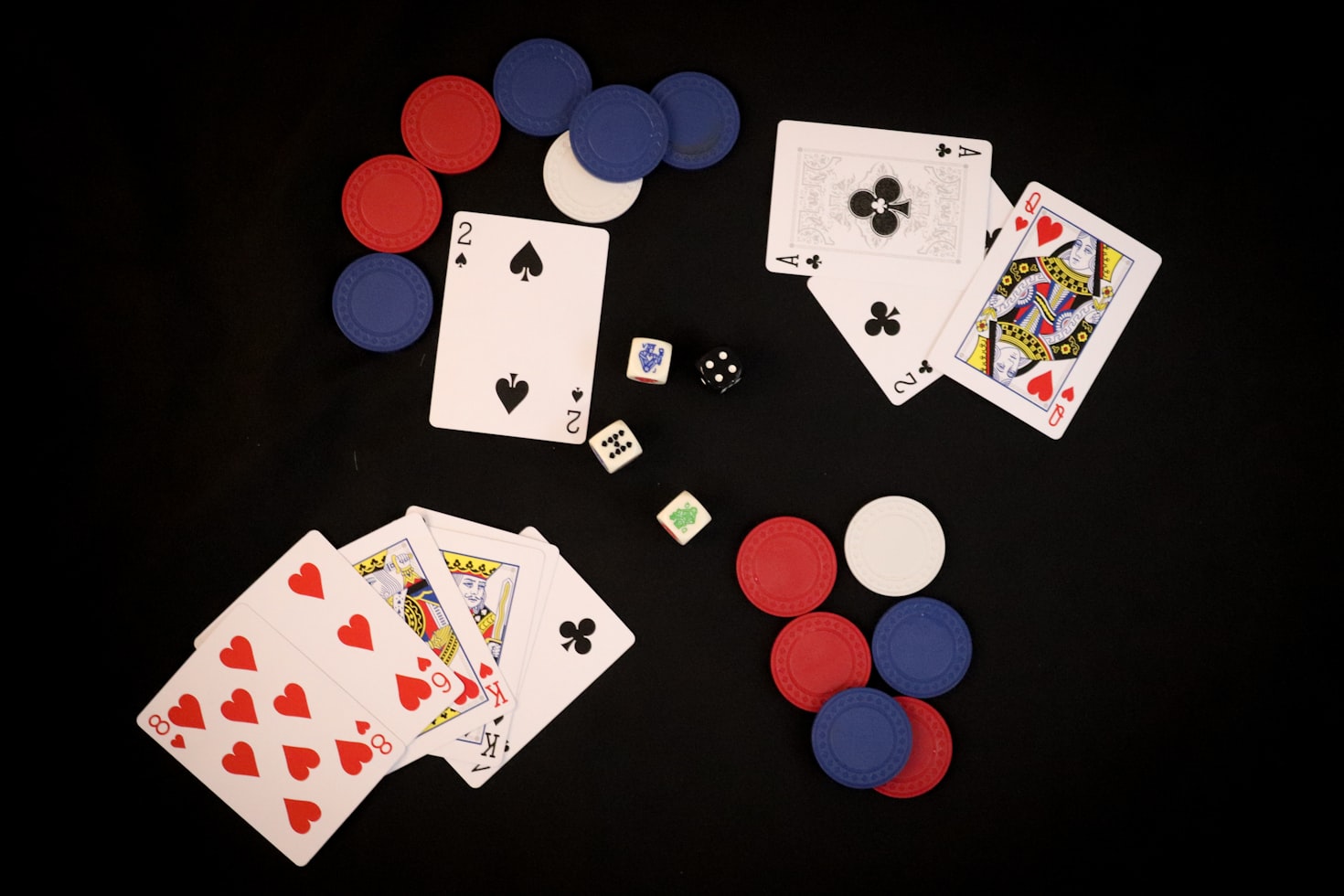
Lo que los jugadores deben saber antes de usar Mejores Casinos Sin DNI en España 2026

Los casinos sin DNI están diseñados para ofrecer una experiencia de registro simplificada, donde los jugadores pueden comenzar a disfrutar de sus juegos favoritos sin la necesidad de proporcionar una identificación compleja. Este método es particularmente atractivo para aquellos que buscan rapidez en el registro y disponibilidad inmediata para jugar. La regulación en este tipo de plataformas también es esencial, y es aquí donde las licencias MGA juegan un papel crucial, garantizando que los casinos operen bajo estándares de seguridad y protección del consumidor.

Además, estas plataformas suelen ofrecer promociones atractivas y métodos de pago que permiten retiros rápidos. Es fundamental que los jugadores se informen sobre las características de cada casino, asegurándose de que cuenten con las licencias adecuadas y opciones de juego que se alineen con sus preferencias. Con el auge de los juegos online, hay que estar alerta a las nuevas oportunidades y ofertas que emergen en el mercado.

Cómo empezar en un casino sin DNI

Iniciar tu aventura en un casino sin DNI es un proceso sencillo y rápido. Aquí hay una guía paso a paso para que puedas comenzar:

  1. Regístrate: Elige un casino que no requiera identificación, accede a su página web y completa el formulario de registro con tu información básica.
  2. Haz un Depósito: Realiza un depósito inicial, muchos casinos permiten depósitos desde 20 € utilizando diferentes métodos de pago.
  3. Selecciona un Juego: Navega por la amplia gama de juegos disponibles y elige tus favoritos, desde tragamonedas hasta juegos de mesa.
  4. Juega y Disfruta: Comienza a jugar. Aprovecha las promociones de bienvenida, como bonos del 225% hasta 3.000 € y giros gratis.
  5. Retira tus Ganancias: Cuando estés listo, solicita un retiro. Muchos casinos ofrecen retiros en menos de 24 horas.
  • Registro rápido y sencillo sin complicaciones.
  • Bolsillo protegido con opciones seguras de pago.
  • Acceso inmediato a una variedad de juegos.

Detalles prácticos sobre los casinos sin DNI

Los casinos sin DNI no solo facilitan el registro, sino que también ofrecen una experiencia de usuario optimizada. Al utilizar estos casinos, los jugadores pueden acceder a más de 3545 juegos diferentes, lo que garantiza una amplia variedad de opciones para todos los gustos. Además, muchos de ellos están respaldados por licencias de juegos como las de Curaçao y Antillephone, proporcionando así un ambiente regulado y seguro para los usuarios.

Asimismo, al ser plataformas ágiles, la mayoría de estos casinos permiten a los jugadores disfrutar de un proceso de retiro sin complicaciones, asegurando que las ganancias estén disponibles en poco tiempo. Esta rapidez en la transacción es un factor decisivo para muchos jugadores, especialmente aquellos que aprecian la inmediatez.

  • Más de 3545 juegos disponibles para explorar.
  • Retiros en menos de 24 horas para máxima conveniencia.
  • Promociones atractivas, incluyendo un bono de bienvenida de hasta 3.000 €.

Beneficios clave de jugar en casinos sin DNI

Elegir un casino sin DNI en España en 2026 ofrece múltiples ventajas. Uno de los beneficios más destacados es la rapidez en el registro, que atrae a jugadores que desean comenzar a jugar de inmediato. Además, al no requerir verificación de identidad, se elimina un obstáculo que muchas veces puede resultar frustrante y que consume tiempo.

  • Acceso inmediato a juegos sin largas colas de verificación.
  • Menor burocracia, lo que se traduce en una experiencia de usuario más fluida.
  • Bonificaciones atractivas que permiten maximizar la diversión desde el inicio.
  • Un entorno seguro gracias a las licencias pertinentes.

Todo esto se traduce en una experiencia de juego más satisfactoria y accesible para los jugadores españoles, permitiendo que más personas se unan a la comunidad de juegos online sin barreras.

Confianza y seguridad en los casinos sin DNI

La seguridad es un aspecto primordial al elegir un casino online, y los casinos sin DNI no son una excepción. Aunque estos sitios ofrecen un registro simplificado, aseguran que cumplan con todos los requisitos de seguridad necesarios. Las licencias emitidas por autoridades reconocidas como la MGA garantizan que los casinos operan dentro de un marco legal y regulativo, protegiendo a los jugadores.

También es recomendable que los usuarios revisen las políticas de juego responsable de cada plataforma, buscando aquellas que promuevan la seguridad de sus jugadores. Esto incluye medidas para prevenir el juego problemático y garantizar que el entorno de juego se mantenga justo y transparente.
Por qué elegir casinos sin DNI en España

Optar por un casino sin DNI puede ser una decisión acertada para aquellos que buscan menos complicaciones al jugar online. Gracias a la rapidez en el registro y a la disponibilidad inmediata de juegos, los jugadores pueden sumergirse en la diversión sin retrasos. Adicionalmente, la variedad de bonificaciones y promociones disponible en estos casinos proporciona un excelente incentivo para comenzar.

No olvides que al elegir un casino con licencia, como las de MGA o Curaçao, puedes disfrutar de tu experiencia de juego con la tranquilidad de que estás en un entorno seguro y regulado. Ya sea que seas un jugador nuevo o experimentado, los casinos sin DNI ofrecen un espacio donde la diversión y la seguridad van de la mano.